How Let’s Grow Champions Inclusive Learning
As Early Years educators, adapting to new additions like digital Individual Support Plans (ISPs) and Specialist Provision Packages can feel daunting. But with Let’s Grow, the perfect tool for inclusive, multi-sensory, and empathetic teaching is already sitting in your vegetable patch.
Here’s how the Let’s Grow teaching resources are perfectly positioned to ensure every child in your setting thrives and feels like they belong.
The Power of Play-Based Inclusion
Supporting children with special educational needs and disabilities (SEND) requires a flexible, engaging approach that meets each child’s unique needs. The Let’s Grow teaching resources naturally meet children wherever they are on their developmental journey.
By focusing on holistic, play-based learning, the Let’s Grow teaching resources provide a structured yet adaptable format that supports the whole child across four key areas:
Communication & Interaction
The fruit and vegetable babies encourage role-play, language development, and social interaction in a fun, pressure-free way.
Cognition & Learning
Let’s Grow provides plans that support learning at an individual pace through storytelling, hands-on activities, and problem-solving.
Social & Emotional Development
As children care for the fruit and vegetable babies, they naturally explore their own emotions, developing patience, self-regulation, and empathy through nurturing activities.
Sensory & Physical Needs
The teaching resources are full of sensory-rich experiences that support sensory processing and engagement, with activities that are easily adaptable for differing physical abilities.
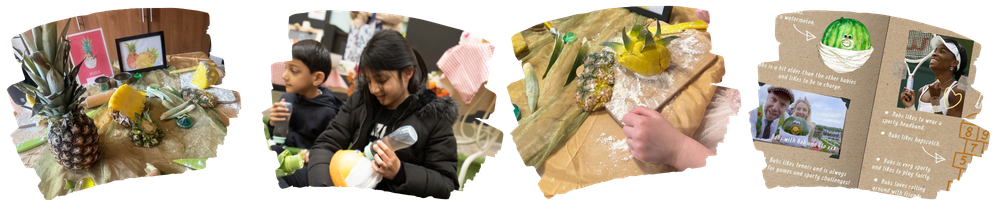
Real Impact: Stories from the Classroom
Speech, language, and communication needs are the most prevalent primary need for children and young people with SEND. There is strong evidence that early support for emotional regulation, social communication, and behaviour reduces escalation into more complex needs.
The results from settings using Let’s Grow speak for themselves:
Martenscroft Nursery, Salford
Let’s Grow provided a massive breakthrough for a child previously considered “electively mute.” Wanting to participate, the child stepped forward, fed the vegetable baby with a bottle, and engaged in a short conversation for the very first time. They are now demonstrating growing confidence and using language to develop their own voice.
Heptonstall School
A child with significant speech and language difficulties, who had a SALT referral, made clear progress over the course of the programme. She loved the fruit and vegetable babies, which became a valuable tool in supporting her learning across many areas — particularly language, communication, and personal, social, and emotional development.
Also at Martenscroft Nursery, a child who typically found it very difficult to self-regulate was invited to sit and feed a veggie baby. The child carefully nurtured the vegetable with kindness and gentle handling. This calming, grounding experience helped them navigate the rules of friendship.
6 Ways to Use Let’s Grow for SEND Inclusion
To help update your setting’s inclusion strategy, here are a few simple, actionable ways to use the Let’s Grow resources for children with additional needs:
1. Relatable Characters
The Let’s Grow teaching resources include scrapbooks for each baby, sharing their interests and personality. Choose fruit and vegetable babies with similar interests and personalities to your SEND children, or add adaptive equipment or mobility aids to play with. This promotes empathy, reduces stigma, and ensures all children feel valued and seen.
2. Visual Timetables and Consistent Structure
A consistent structure can reduce anxiety and help children with SEND feel secure. Let’s Grow allows you to maintain a consistent approach to the day while still encouraging free play. Video calls, followed by a visit from a baby and related activities, help children feel confident within a routine.
Incorporate pictures of the fruit and vegetable babies into your visual timetables to support transitions between activities.
3. Gentle Behaviour Modelling
Direct correction can sometimes cause children with SEND to withdraw. The fruit and vegetable babies are a great tool for modelling expected behaviour and resolving conflicts.
For example:
"Oz the Courgette is feeling a bit worried about the loud voices. Can we show them how we play quietly?"
4. Sensory Play
Sensory play promotes self-regulation, motor skills, and cognitive development. There are many sensory opportunities within the Let’s Grow teaching resources, including the babies themselves.
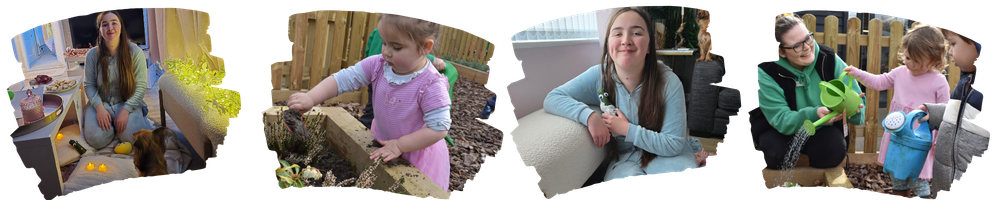
Children can plant seeds, squish soil, feel the coolness of water, and experience the vibrant colours of fresh produce — stimulating their senses and encouraging active learning.
For children with visual impairments or sensory processing needs, try creating a sensory bag containing items to touch (such as tactile cloth, a watering can, or a raw vegetable) while the video calls are playing, making the digital experience more tactile.
5. Inform Individual Support Plans (ISPs)
Under the proposed SEND reforms, ISPs will be digital and evolve with the child. Let’s Grow provides organic opportunities for capability-focused observations, alongside clear links to developmental milestones supported through activities.
6. Adapt Activities for Different Abilities
Let’s Grow is designed to be flexible for all learners. Some children may engage in hands-on gardening, while others benefit more from sensory exploration, movement-based learning, or visual storytelling.
Let’s Grow: Nurturing Growth for Every Child
At its heart, Let’s Grow is about nurturing. By bringing nature, imaginative play, and empathy into your early years setting, you create an inclusive environment where every single child has the opportunity to grow, achieve, and thrive.
- Free